
6 Signs Your Car Battery May Fail in Cold Weather
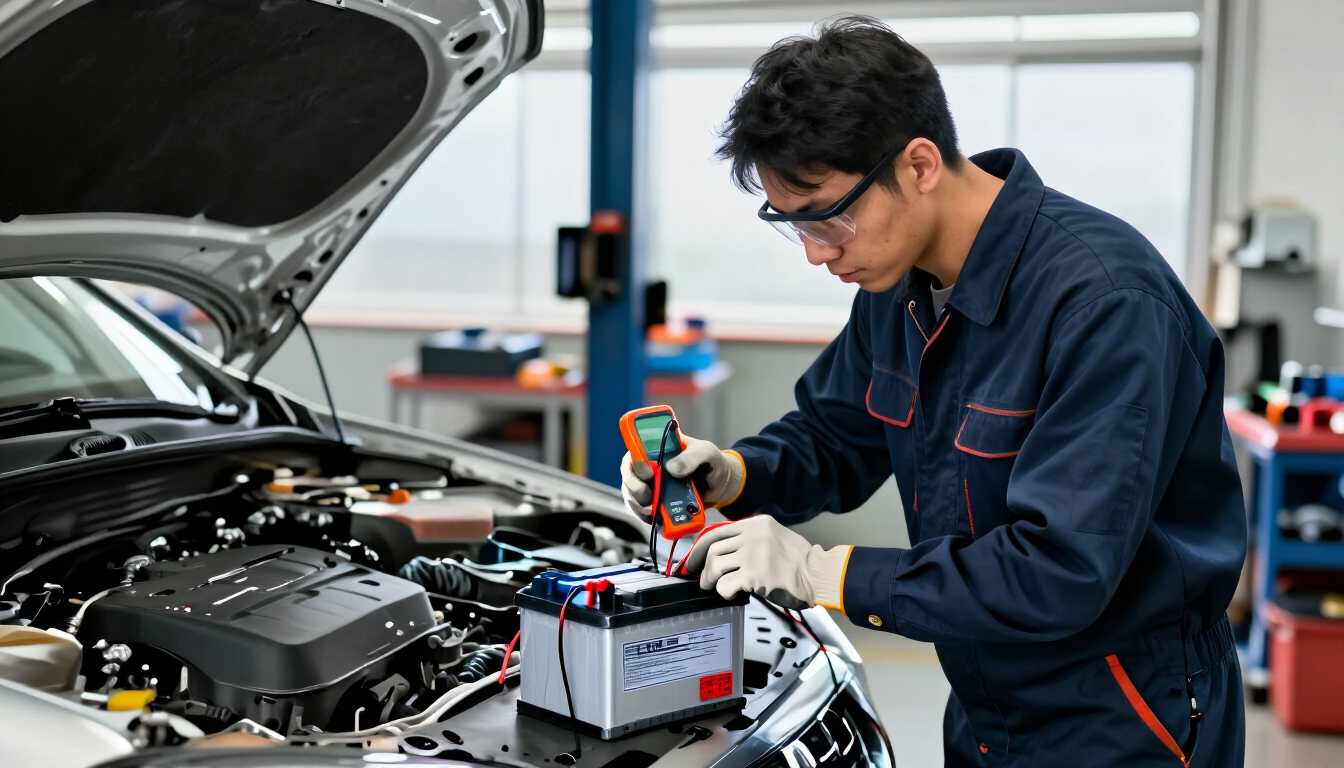
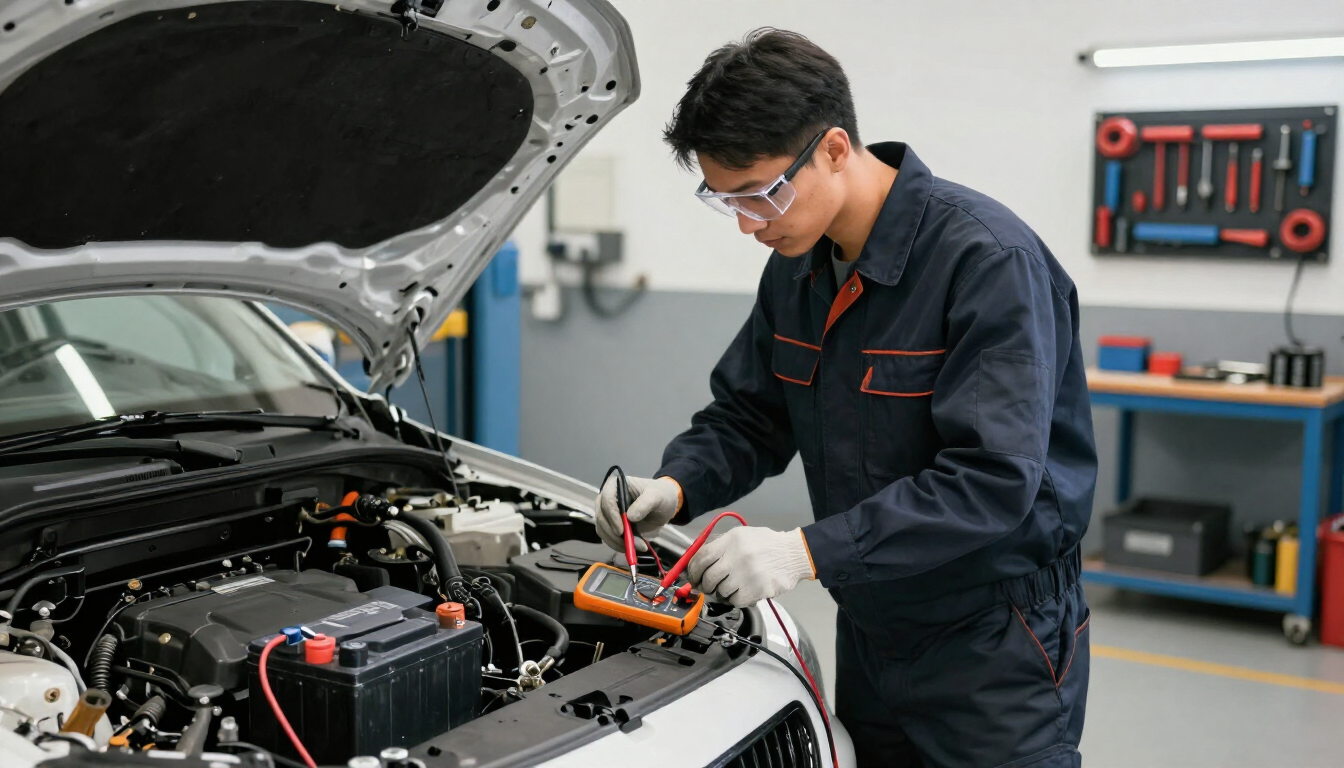
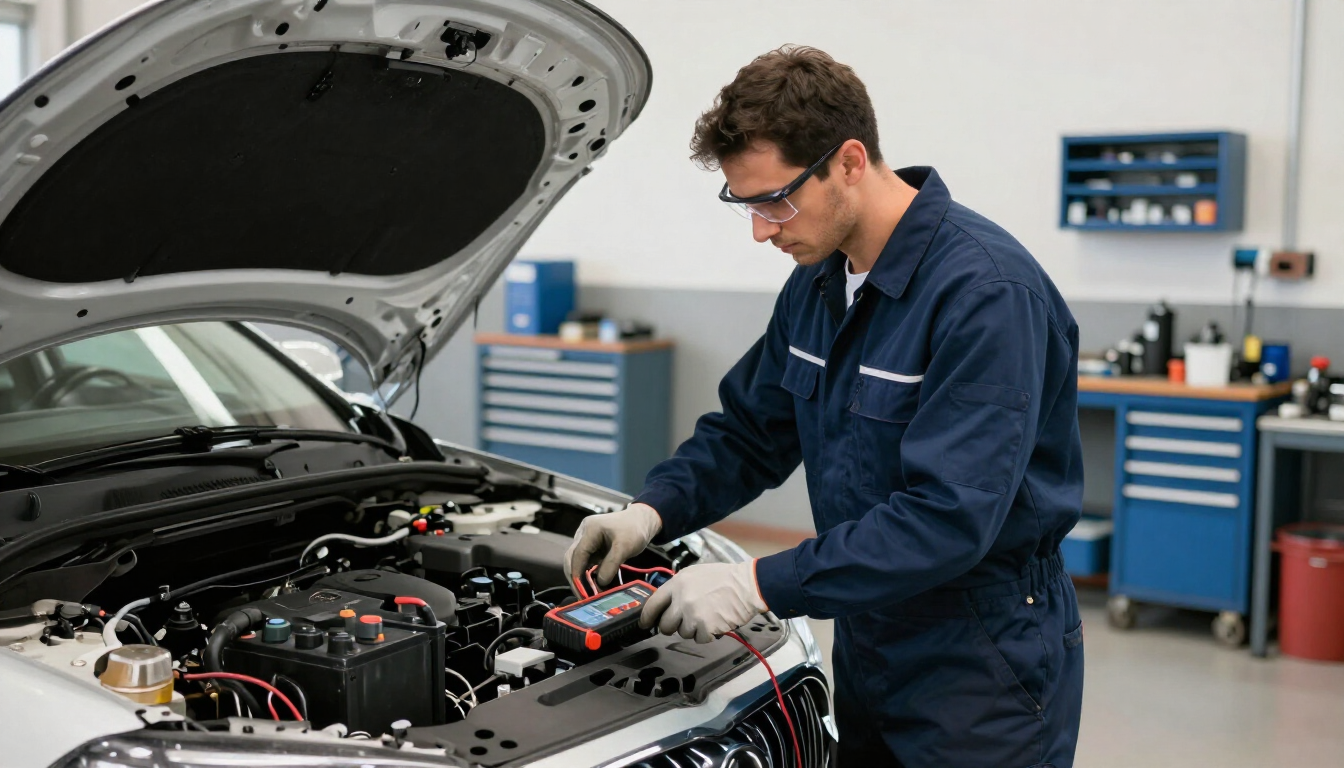
Cold weather can expose a weak car battery before it leaves you stranded. Common warning signs include slow cranking, dim lights, visible corrosion, repeated no-starts, and unusual electrical behavior. A battery test can show whether the concern is the battery, charging system, connection, or another starting-system issue.
What are the signs of a weak car battery in cold weather?
1. The engine cranks slowly
“Cranking” means the starter motor is turning the engine so it can begin running. If the engine turns noticeably slower than usual, especially on a cold morning, the battery may not be delivering enough electrical power.
Pay attention to changes rather than one isolated sound. A vehicle that normally starts promptly but now sounds sluggish deserves attention. Slow cranking can involve the battery, its connections, the starter, or the charging system, so an inspection is the best way to identify the cause.
2. The lights look dim
Dim headlights, interior lights, or dashboard lighting can indicate that the vehicle’s electrical system is under strain. You may notice the lights become brighter after the engine starts, or that they fade when you use another electrical feature.
This sign does not confirm a battery problem by itself. Lighting issues can also relate to connections, alternator output, bulbs, or electrical faults. If the change is new, make a note of when it happens and mention it during a battery or electrical inspection.
3. You see corrosion around the terminals
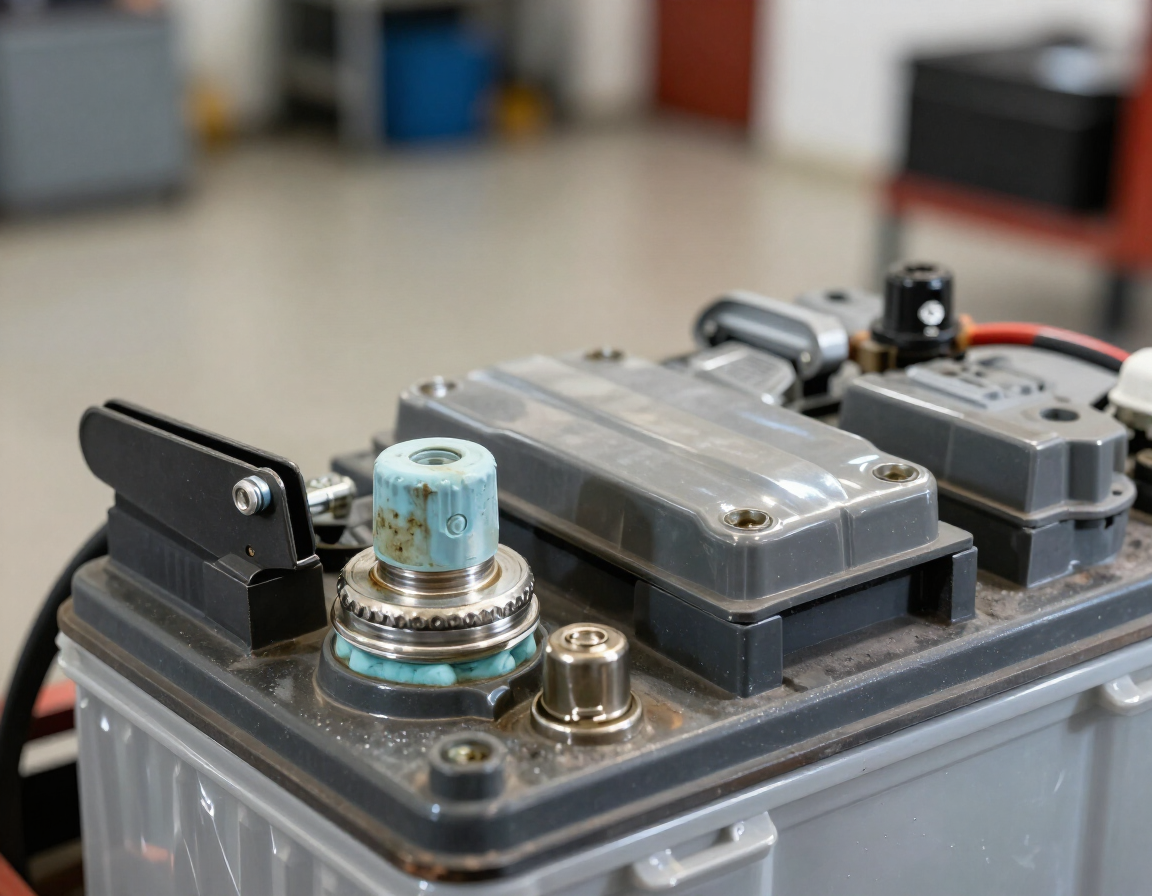
Battery terminals are the connection points where the vehicle’s cables attach to the battery. A crusty white, blue, or green buildup around those connections is called corrosion. It can interfere with the flow of electricity between the battery and the vehicle.
Do not scrape or handle buildup casually. Battery work involves corrosive material and electrical energy. A technician can inspect the terminals, cables, battery case, and surrounding area using the proper safety equipment.
4. The car needs a jump-start
Needing a jump-start is a clear reason to have the starting and charging systems checked. A jump-start can provide temporary electrical assistance, but it does not explain why the vehicle failed to start.
If the same thing happens again, avoid treating each incident as a separate inconvenience. Repeated jump-starts may point to a battery that is not holding a charge, a charging concern, an electrical drain, or a connection problem.
5. The battery warning light appears
A battery-shaped warning light usually relates to the vehicle’s charging system, not simply the battery itself. The charging system helps replenish electrical power while the engine runs. If the warning light stays on, have the vehicle checked rather than assuming a new battery is the only answer.
Other dashboard messages or electrical changes may provide useful context. Write down what you see, including whether the warning appears during starting, driving, or both.
6. The vehicle shows unusual electrical behavior
Power windows, locks, displays, accessories, or other electronics that work inconsistently can be clues that the vehicle needs an electrical-system inspection. Cold weather may make an existing weakness more noticeable, but it does not identify the exact component involved.
For help evaluating these concerns, see Big Z Tire and Wheel’s Battery & Electric service or Diagnostics service .
Why does cold weather affect a car battery?
A battery supplies electrical power for starting and other vehicle systems. In cold conditions, the chemical reaction inside the battery slows, reducing the power available. At the same time, a cold engine can require more effort from the starter because its fluids and moving parts are less free-flowing.
That combination can reveal a marginal battery or weak connection. A vehicle may start normally during mild weather and struggle when temperatures drop. This is why checking warning signs before the first cold snap can be useful for Rutherford County commuters.
How can you safely jump-start a vehicle?
Use your owner’s manual first. Vehicle designs and connection points vary, and some models have specific procedures. If you are unsure, call for roadside assistance or have a trained technician help.
When the manual permits a conventional jump-start, the basic process is:
- Park the assisting vehicle close enough for the cables to reach, without letting the vehicles touch. Turn both vehicles off and set the parking brakes.
- Confirm that the batteries and vehicles are compatible and that there is no visible damage, leaking, swelling, or frozen battery.
- Connect the red positive cable to the disabled vehicle’s positive terminal, then to the assisting vehicle’s positive terminal.
- Connect the black negative cable to the assisting vehicle’s negative terminal. Connect the other black clamp to an approved unpainted metal ground on the disabled vehicle, away from the battery.
- Start the assisting vehicle, then attempt to start the disabled vehicle. Stop if there are sparks, smoke, unusual sounds, or the vehicle will not start promptly.
Remove the cables in reverse order while keeping the clamps from touching each other. A successful start is not a complete repair. Arrange a test to determine why the vehicle needed assistance.
Why does my car battery keep dying?
A battery that repeatedly loses power may be the symptom rather than the root problem. Possible causes can include a battery that is not retaining a charge, a charging-system concern, loose or corroded connections, an electrical draw while the vehicle is parked, or a starting-system issue.
A jump-start only gets the vehicle running temporarily. Replacing a part without testing can leave the original concern unresolved. A technician can check the battery, charging output, starting circuit, cables, and relevant electrical systems together.
When should you bring the vehicle in?
Schedule an inspection before the first cold snap if you notice slow cranking, dim lights, corrosion, repeated jump-starts, a battery warning light, or inconsistent electronics. Bring it in promptly if the vehicle will not start, warning lights remain on, or you see battery damage or leaking.
Big Z Tire and Wheel serves drivers in Rockvale, TN and the surrounding Rutherford County area. You can review the shop’s broader Services or Contact the team with questions about an inspection.
Key takeaways
- Cold weather can expose a weak battery or connection.
- Slow cranking, dim lights, corrosion, and repeated jump-starts are important warning signs.
- A battery warning light can indicate a charging-system concern.
- Jump-starting is temporary; repeated failures call for testing.
- If your vehicle shows these symptoms before a cold snap, have the starting and electrical systems checked rather than guessing at the cause.
A car battery cold weather check is most useful before a predictable temperature drop, especially if starting performance has changed. Watch for the six signs above, use your owner’s manual before attempting a jump-start, and stop if the battery appears damaged. The next step is a professional inspection that evaluates the battery, connections, charging system, and starting circuit together. That approach helps identify the actual source of the concern and gives you a clearer plan for dependable commuting from Rockvale through the first cold snap.