
How to Use a Thanksgiving Road Trip Checklist

A Thanksgiving road trip checklist helps families catch simple vehicle-safety concerns before leaving Rockvale, TN. Check tire pressure and tread, the spare, oil level, wipers, lights, and warning lamps. If something looks damaged, feels unsafe, or is difficult to explain, have Big Z Tire and Wheel inspect it before departure.

What should you check first on a Thanksgiving road trip?

Start with a walkaround while the vehicle is parked on level ground. Give yourself enough time to notice changes instead of rushing through the driveway on departure morning.

Use this quick checklist:

  • Look at all four tires and the spare.
  • Check the oil level if the engine is cool and the vehicle is parked level.
  • Test the wipers, windshield washer, headlights, brake lights, turn signals, and hazards.
  • Look for warning lamps after starting the vehicle.
  • Pay attention to new noises, vibrations, pulling, fluid spots, or changes in braking.

This is a visual and practical check, not a diagnosis. It is meant to help you decide whether the vehicle appears ready for travel or deserves a closer look. For related maintenance information, see Big Z Tire and Wheel’s Services page.

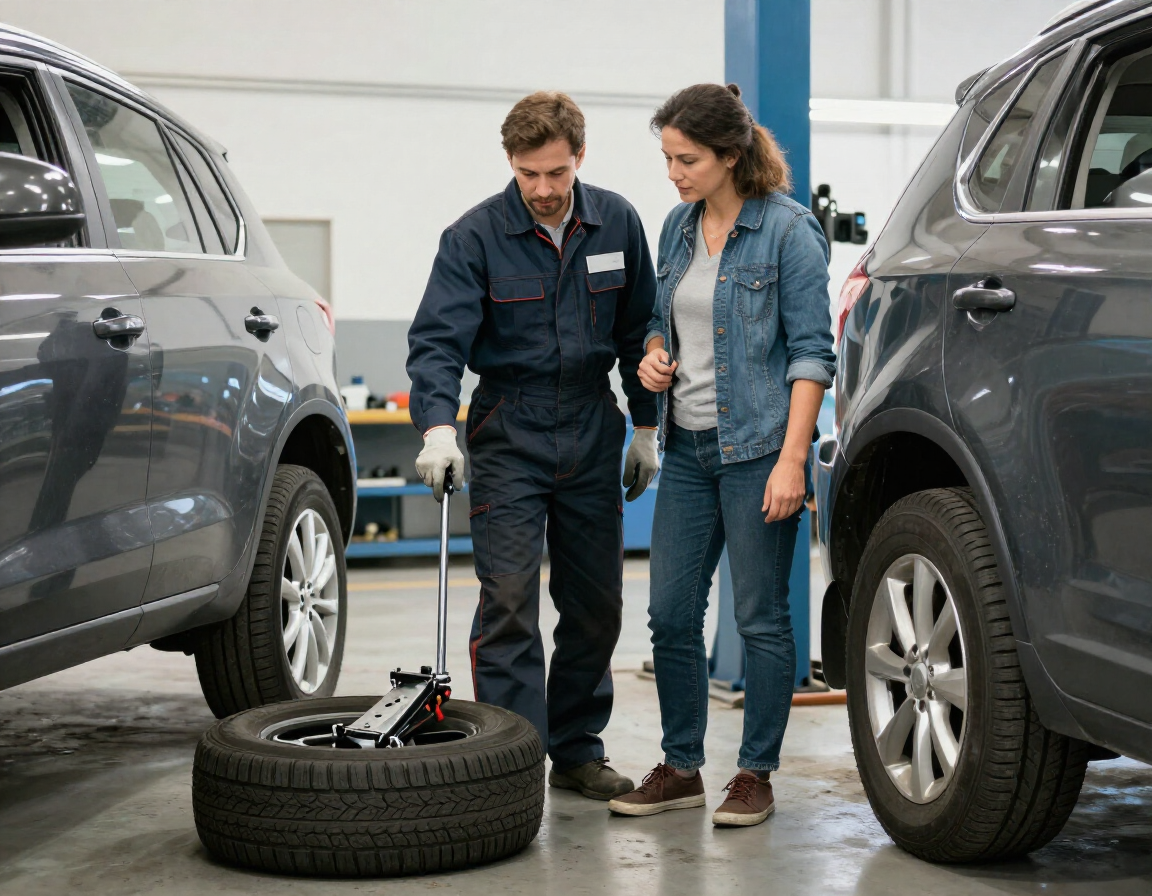
Technician showing a family how to inspect a vehicle before a Thanksgiving road trip

How do you check tire pressure before a trip?

Find the recommended cold tire pressure on the vehicle’s information label, commonly located on the driver’s door area, or in the owner’s manual. Use that number rather than the maximum pressure printed on the tire sidewall.

Check pressure when the tires have not been driven recently. Remove the valve cap, press a reliable gauge onto the valve stem, and compare the reading with the vehicle’s recommendation. Add or release air as needed, then replace each cap.

Remember these points:

  • Check all four tires, not only the tire that looks low.
  • Check the spare, if it is accessible.
  • Do not judge pressure by appearance alone.
  • Recheck a tire that repeatedly loses air.

A tire-pressure monitoring light can be useful, but it does not replace a gauge check. If a tire is visibly damaged, has a bulge, is losing air, or cannot hold the recommended pressure, bring it in before a long drive. You can review available Tire Services if you need help.

Is the penny test enough to check tire tread?

The penny test is a rough screening method, not a complete tire inspection. Place a penny into a tread groove with Lincoln’s head facing down. If you can see the top of his head, the tread may be too worn for confident travel and should be checked by a professional.

Repeat the test in several grooves across each tire. Uneven wear, exposed cords, cracking, cuts, bubbles, or objects in the tread matter too. A tire can pass one quick spot check and still have a concern elsewhere.

The penny test also cannot evaluate tire age, internal damage, correct tire matching, or how the vehicle behaves on the road. Treat it as a reason to look closer—not as a guarantee that the tire is ready for highway travel.

A simple tire walkaround

  1. Compare tread appearance across all tires.
  2. Look at both the inside and outside edges when possible.
  3. Check for nails, screws, cuts, cracks, and bulges.
  4. Notice whether one tire appears different from the others.
  5. Stop and ask for an inspection if anything looks questionable.

What should you know about the spare tire?

A spare tire is useful only if it is present, accessible, and in usable condition. Check where it is stored and make sure the jack, lug wrench, and related tools are there. If the spare is mounted under the vehicle, confirm that its release mechanism is not obviously stuck.

Inspect the spare for low pressure, visible damage, severe cracking, or a missing valve cap. Some vehicles use a compact temporary spare with different driving limitations. Follow the instructions provided for that spare and do not assume it is equivalent to a full-size tire.

Also check that the wheel-lock key, if your vehicle uses locking lug nuts, is in the vehicle. Discovering that it is missing beside the highway creates an avoidable problem.

Auto technician and customer reviewing a spare tire and roadside equipment

How do you check the oil level safely?

Park on level ground and allow the engine to cool according to the vehicle’s instructions. Remove the dipstick, wipe it clean, reinstall it fully, then remove it again to read the level. The oil should appear within the marked range.

Do not add oil blindly. Use the type specified for the vehicle, add only small amounts when appropriate, and recheck the level. Keep oil away from hot components and clean up any spill.

A low level, a sudden change, an oil warning lamp, visible leakage, or oil that looks unusual is a reason to bring the vehicle in. Do not rely on the dipstick alone if the vehicle has an electronic oil-level procedure; check the owner’s manual for the correct method.

The question is not whether every oil observation demands immediate repair. The useful question is whether the condition is familiar and stable. If it is new, worsening, or unclear, let a technician evaluate it before a trip. Big Z also provides Oil Changes , but this checklist does not replace an inspection.

Are the wipers and lights ready for rain or darkness?

Turn on the headlights, high beams, parking lights, turn signals, hazard lights, and brake lights. Ask another person to stand outside or use a reflection when checking the rear lamps. Replace or address a bulb that is out, dim, intermittent, or visibly damaged.

Run the windshield washers and inspect the spray pattern. Wiper blades should clear water without leaving broad streaks, skipping, chattering, or making the windshield harder to see through. Clean the glass and blades if dirt is the only issue; worn or damaged blades should be checked.

Good visibility matters especially when families are traveling after dark or through changing weather. If the vehicle has a headlight issue, an electrical concern, or repeated bulb failure, schedule an inspection rather than guessing at the cause. Battery & Electric services are available for electrical concerns.

What do dashboard warning lamp colors mean?

Warning-lamp colors provide a general urgency signal, but the symbol and the owner’s manual provide the most useful detail.

  • Red: Usually signals a condition that may require prompt attention. Safely stop when appropriate and consult the manual.
  • Yellow or amber: Usually indicates a system that needs attention or evaluation soon.
  • Green or blue: Usually confirms that a feature or system is operating.

A red oil-pressure, brake, temperature, or charging warning should not be treated as a routine reminder. If a lamp stays on, flashes, or appears with unusual noise, heat, smoke, loss of power, or changed vehicle behavior, stop somewhere safe and ask for assistance.

A yellow lamp may be able to wait briefly when the vehicle feels normal, but that depends on the symbol and the circumstances. Do not erase a warning or disconnect the battery simply to make the light disappear. If you are unsure what a lamp means, use Diagnostics or contact the shop before leaving.

What can wait, and when should you bring it in?

Not every imperfection requires canceling a trip. A dirty windshield, a loose valve-cap cover, or a wiper that only needs cleaning may be handled before departure without a shop visit. A minor cosmetic issue can generally wait if it does not affect safety or vehicle operation.

Bring the vehicle in before traveling when you notice:

  • A tire that is damaged, repeatedly losing air, or worn unevenly.
  • A spare, jack, or required wheel tool that is missing or unusable.
  • A warning lamp that remains on, flashes, or is paired with changed behavior.
  • Weak, inconsistent, or failed brakes, lights, wipers, or steering response.
  • A new leak, overheating concern, strong vibration, unusual noise, or pulling.

Do not diagnose the cause from a checklist. Describe what you noticed, when it happens, and whether it changes with speed, braking, turning, or weather. That information helps a technician decide what to inspect. Big Z Tire and Wheel serves drivers in Rockvale through its Contact page.

Thanksgiving road trip checklist: final takeaways

Before heading out, check the basics while the vehicle is still at home: cold tire pressure, tread condition, the spare and its tools, oil level, wipers, lights, and dashboard warnings. The penny test can identify a possible tread concern, but it cannot prove a tire is safe. Simple issues may wait; damage, warning lamps, leaks, overheating, unusual handling, or unclear conditions deserve attention before a long trip. Walk through the findings with a qualified technician when needed, then make a practical decision based on what you can see and how the vehicle behaves—not on guesswork.

Share this article

Recent Posts

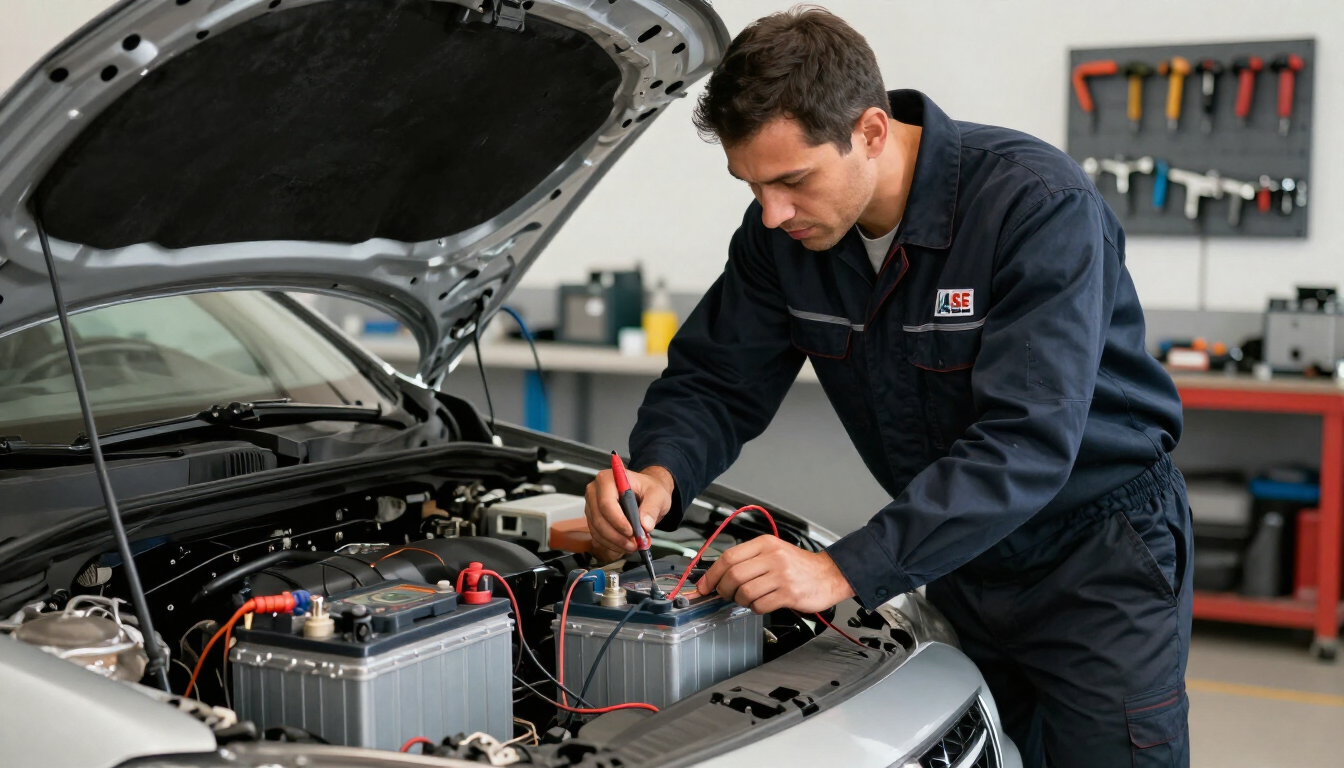
Technician checking a car battery in cold weather
By Samantha Boylls • November 9, 2026
An ASE-certified technician explains six car battery cold weather warning signs, safe jump-starting, and when Rockvale drivers should seek a battery check.
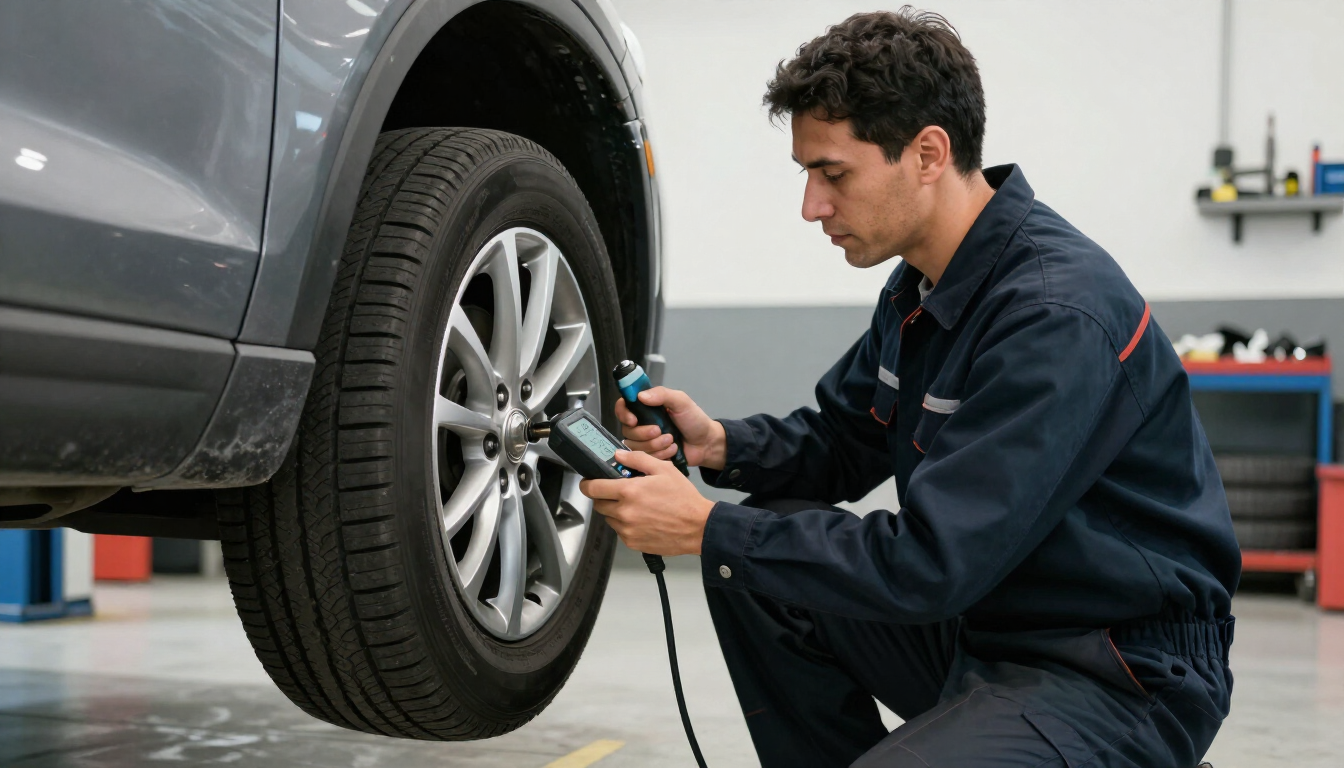
Technician checking tire pressure in a clean bay
By Samantha Boylls • November 2, 2026
Learn why the tire pressure light comes on in cold weather, how to check tires safely, and when Rockvale drivers should visit Big Z Tire and Wheel.
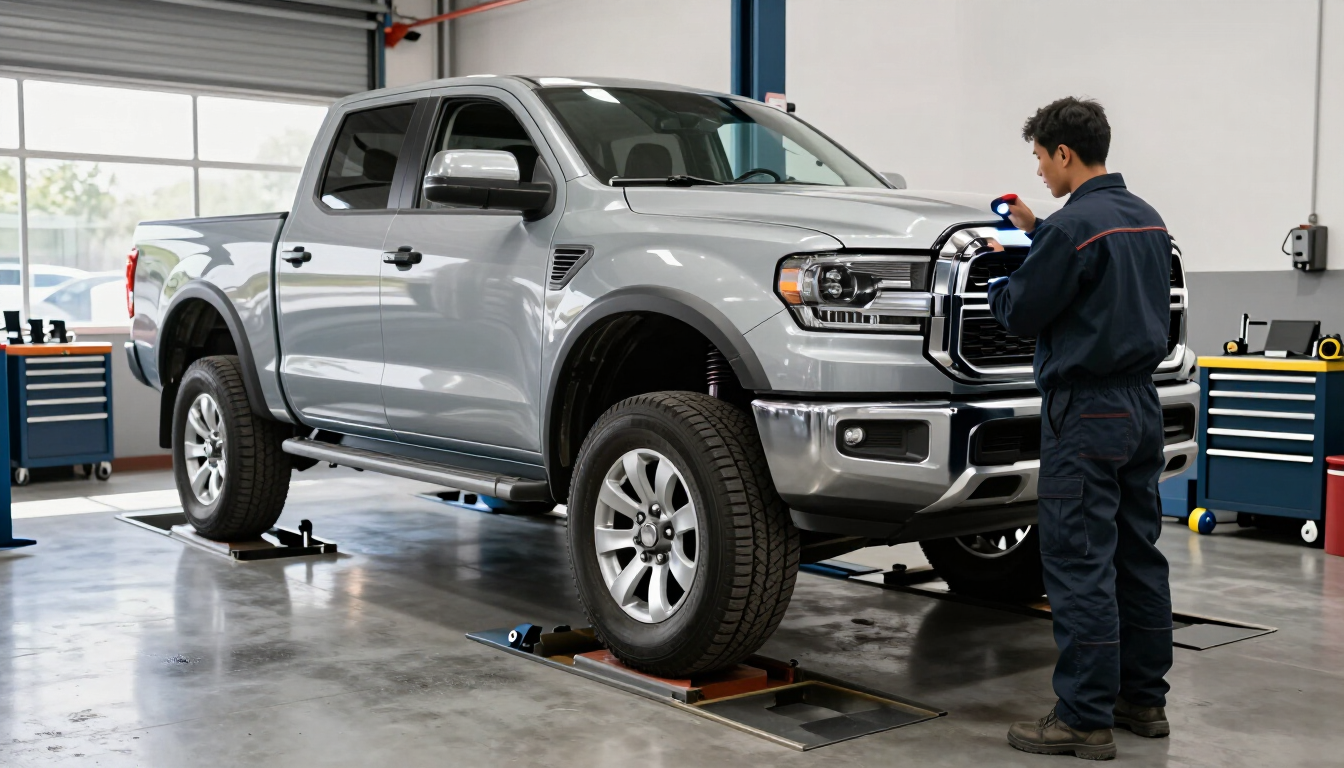
Pickup truck alignment and suspension inspection on a shop alignment rack
October 26, 2026
Learn five signs hauling and gravel roads may have affected your truck alignment and suspension, plus when to stop driving and call Big Z Tire and Wheel in Rockvale.

Technician using a scan tool to diagnose a check engine light
October 19, 2026
Learn what a check engine light means, why codes identify conditions instead of failed parts, and when Rockvale drivers should stop driving or seek diagnostics.
Technician testing a car battery before fall
October 12, 2026
An ASE-certified technician explains why summer heat can weaken a car battery, slow-crank warning signs, safe jump-starting, and when to seek service in Rockvale, TN.
Car wheel aligned on a machine at a tire shop, with a red platform and black equipment visible.
October 6, 2026
An ASE-certified technician’s six fall tire checks for Rockvale drivers, including cold-weather pressure, tread, wear, and the spare.