5 Reasons Your Tire Pressure Light Comes On in Cold Weather
A tire pressure light in cold weather usually means the air inside one or more tires contracted as temperatures fell. The pressure may be low enough to trigger the monitoring system, even when there is no visible damage. Check the tires cold using the driver’s door-jamb placard, then decide whether inspection is needed.
Why does the tire pressure light come on in cold weather?
Cold air takes up less space than warm air. When the temperature drops overnight, the air inside a tire contracts, reducing its pressure. The tire may look normal, but the vehicle’s tire pressure monitoring system can detect the change and illuminate the warning light.
This is especially common on chilly mornings in Rockvale. The light may turn off after driving as the tires warm, but that does not automatically mean the tires are properly inflated. A warning light is a reason to check, not something to ignore.
What are the five common reasons for a tire pressure warning?
Cold temperatures are only one possible reason. The five most common possibilities are:
- Seasonal temperature change: Overnight cold causes the air inside the tire to contract.
- A tire that was already low: A small pressure loss may become noticeable when weather turns colder.
- A slow leak: A puncture, valve issue, or wheel-related problem can allow air to escape gradually.
- Uneven pressure between tires: One tire may read differently from the others, triggering the system.
- A monitoring-system concern: The light may remain on or behave unexpectedly if the tire pressure monitoring system needs attention.
This list is a starting point, not a diagnosis. A visual inspection and accurate pressure reading can help determine what should happen next.
How should you check tire pressure on a cold morning?
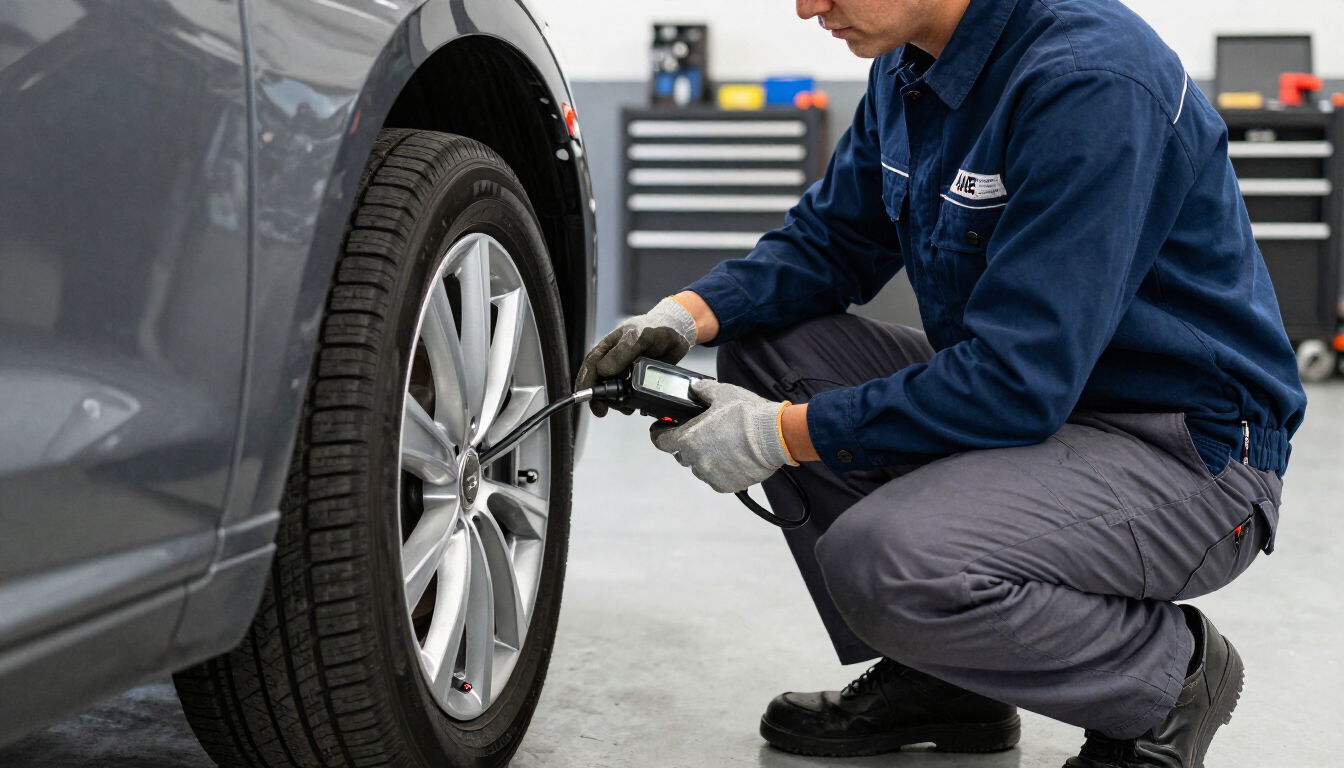
Check tire pressure before driving, or after the vehicle has been parked for several hours. Driving heats the tires and can temporarily change the reading, making it harder to compare the result with the vehicle manufacturer’s recommendation.
Follow these steps:
- Find the tire-pressure placard on the driver’s door jamb or nearby door frame.
- Use the placard’s recommended setting rather than the maximum pressure molded into the tire sidewall.
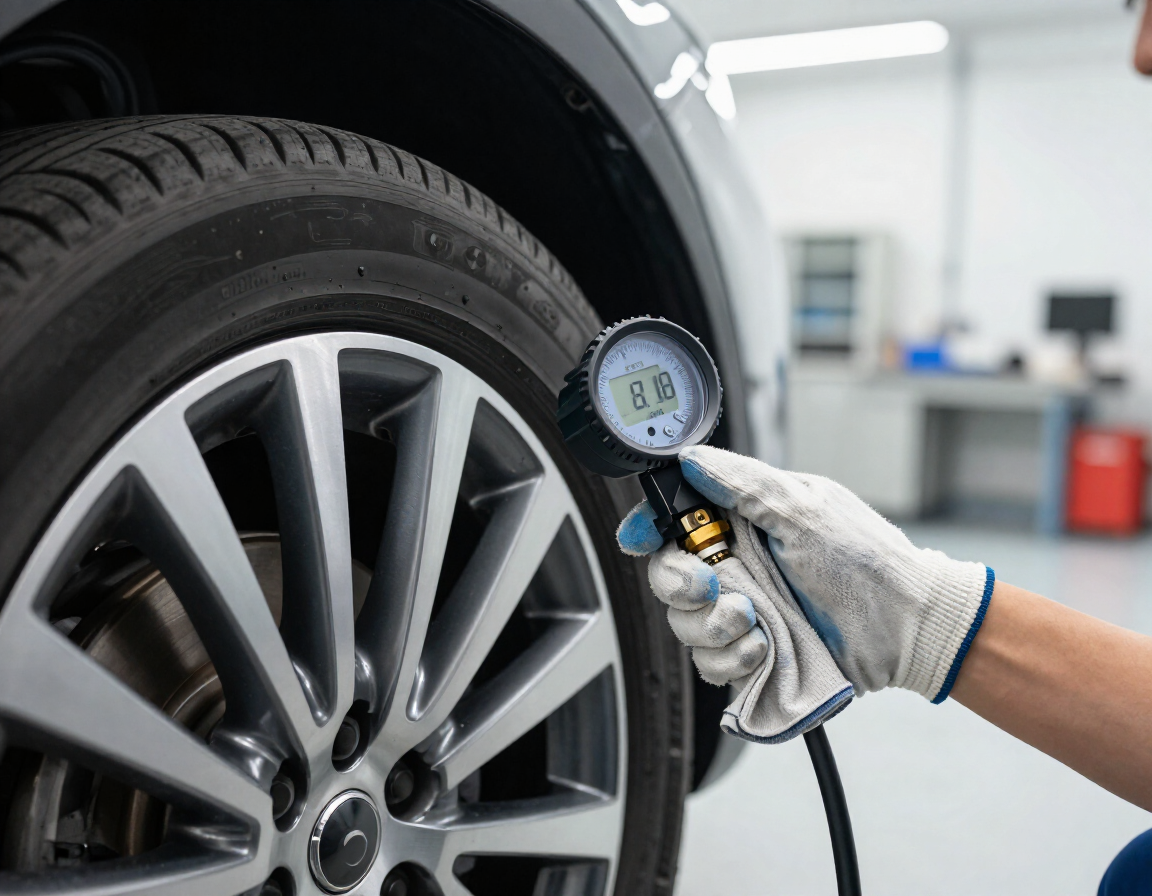
- Remove the valve cap and use a reliable gauge on each tire, including the spare if your vehicle has one.
- Compare each reading with the placard information.
- Replace the valve caps and watch the warning light after the tires are checked.
The door-jamb placard is specific to your vehicle. It is the best reference for normal cold-tire pressure, regardless of the brand or size printed on the tire.
Why does checking tires cold matter?
A cold-tire reading gives you the most consistent comparison with the vehicle manufacturer’s recommendation. After driving, friction and road contact warm the tire. That warmth can raise the reading temporarily, even if the tire would be below the recommended setting when cold.
For the same reason, avoid letting air out of a recently driven tire simply because the gauge shows a higher reading. Let the vehicle cool, then check again. If you are unsure how to interpret the reading, a tire professional can help.
What can wait, and what should be checked soon?
A light that appears after a sudden temperature drop may be manageable for the moment if the vehicle feels normal and the tires look properly seated. Still, check the pressure before making a longer trip. Do not treat a warning light as permanently solved just because it disappears later.
Arrange an inspection soon when:
- The light stays on after the tires are checked.
- One tire repeatedly reads lower than the others.
- You need to add air again after a short period.
- A tire looks unusually low, damaged, or misshapen.
- The vehicle pulls, vibrates, or feels different while driving.
If a tire appears severely low or the vehicle handles abnormally, avoid continuing to drive farther than necessary. Contact a qualified shop for guidance. Big Z Tire and Wheel can inspect concerns through our tire services and help determine whether the issue can wait or needs attention promptly.
Can a tire pressure light be caused by a slow leak?
Yes. A slow leak can reduce pressure gradually, and colder weather can make the warning more noticeable. Common sources may include a puncture, valve-area issue, or a problem where the tire meets the wheel. Only an inspection can identify the cause safely.
Avoid repeatedly adding air without finding out why pressure is dropping. That approach may keep the light off temporarily while leaving the underlying concern unresolved. If the same tire needs attention more than once, schedule an inspection through the Contact page .
Does the light always mean the tire is damaged?
No. Cold weather alone can activate the warning, and a tire can appear undamaged while being below the vehicle’s recommended pressure. However, a warning light can also accompany a leak or another issue, so the correct response is to check the tires rather than guess.
Do not rely only on appearance. Tires can lose pressure without visibly sagging, especially when the change is gradual. A gauge and the door-jamb placard provide a better first check.
A practical cold-weather tire checklist
Use this quick routine when the weather turns cold:
- Check pressure before driving.
- Read the driver’s door-jamb placard.
- Measure all tires consistently.
- Look for visible damage or an unusually low tire.
- Schedule inspection if the warning returns or pressure does not hold.
When should Rockvale drivers bring the vehicle in?
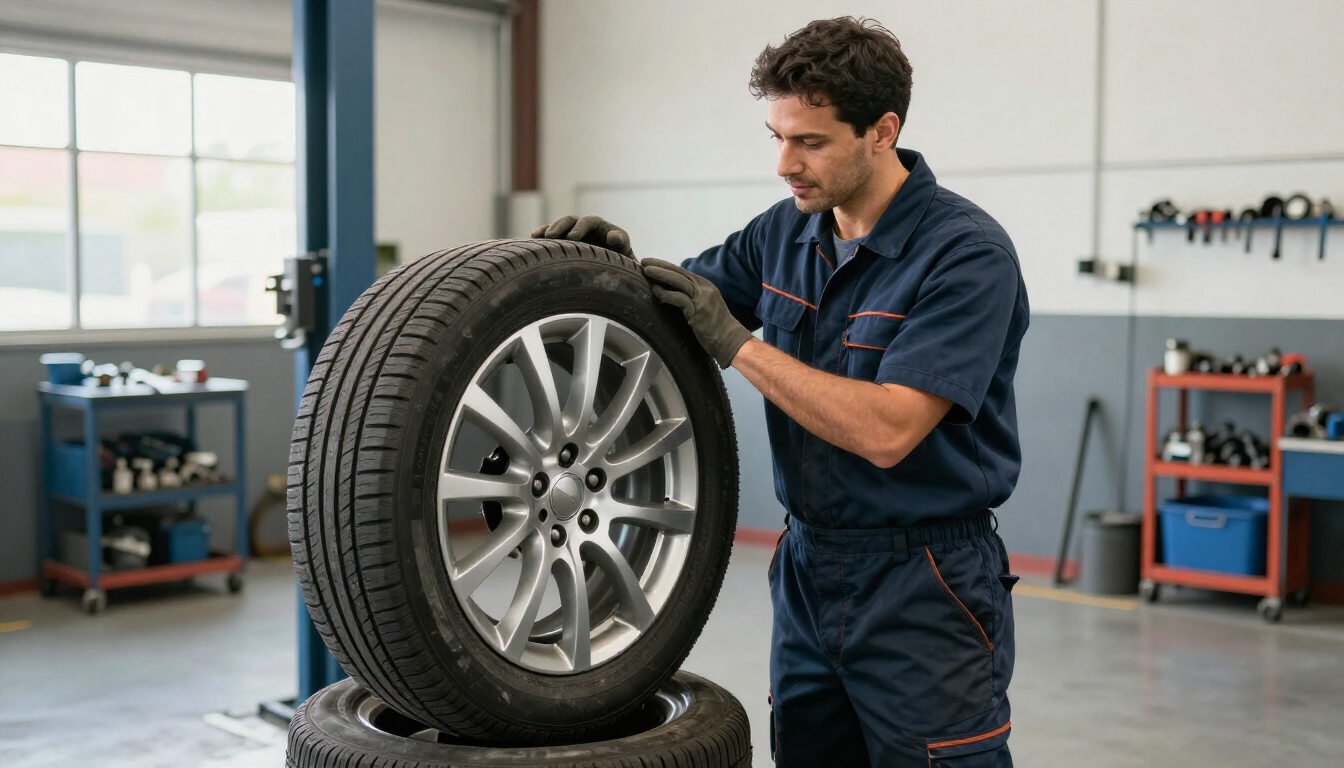
Bring it to Big Z Tire and Wheel when the light remains on, returns repeatedly, or comes with handling changes. An ASE-certified technician can check the tires and related components without asking you to guess at the cause. Our local shop serves Rockvale drivers with straightforward, professional tire and vehicle service. Learn more about the shop on our About page or review our broader Services .
Key takeaway
Cold weather can lower tire pressure because air contracts as temperatures fall. Check every tire cold and use the recommendation on the driver’s door-jamb placard, not the tire sidewall. A brief warning after a temperature change may not require an emergency visit, but it should not be ignored. If the light stays on, returns often, or a tire looks low or the vehicle handles differently, schedule an inspection. For Rockvale drivers, Big Z Tire and Wheel can help decide what needs attention now and what can safely wait.