5 Car Battery Signs to Watch This Fall

A car battery that survived summer can still quit on a cold fall morning because high heat speeds internal wear, while cooler temperatures reduce the battery’s ability to deliver power. Watch for slow cranking, dim lights, repeated jump-starts, or electrical oddities. A battery that keeps dying needs testing, not guesswork.

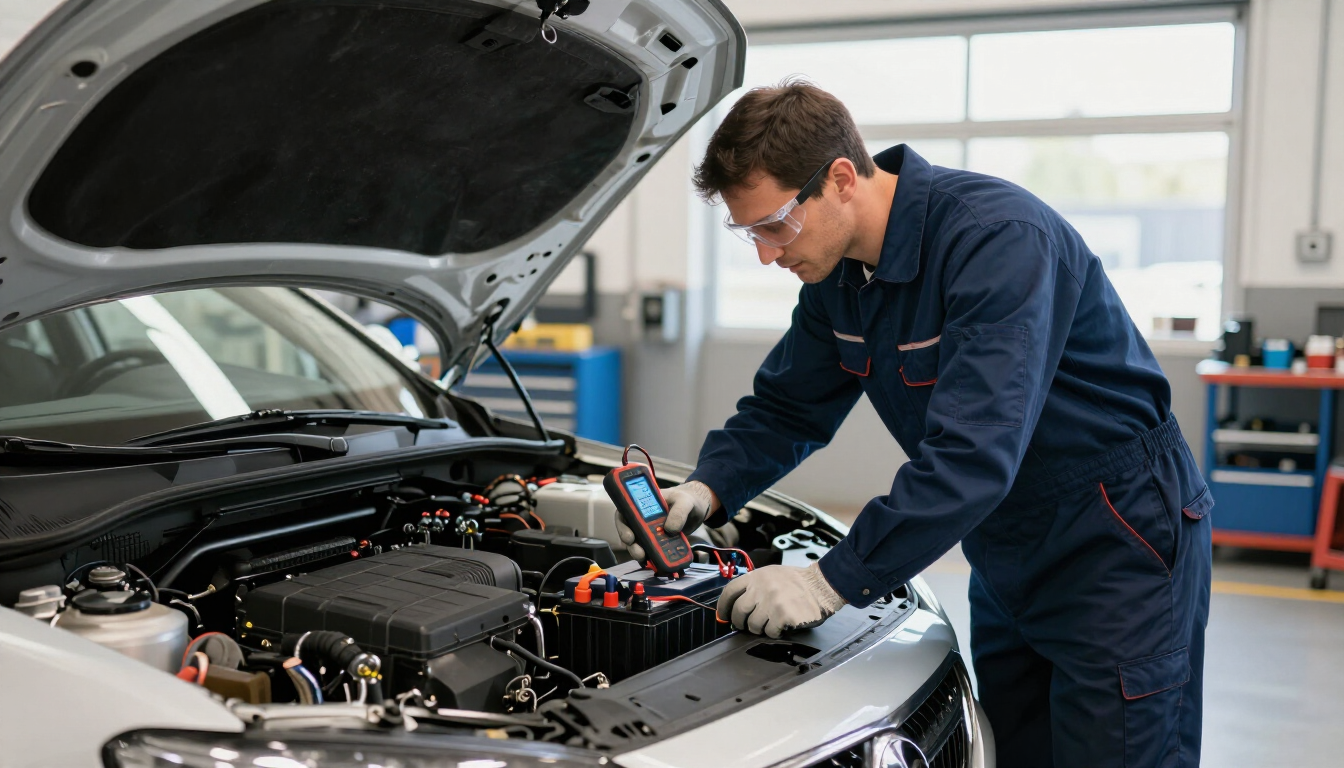
Technician testing a car battery

Why can summer heat weaken a car battery?

Summer heat can be harder on a battery than many drivers expect. High under-hood temperatures accelerate chemical activity inside the battery and can contribute to water loss, corrosion, and damage to internal components. The battery may continue starting the vehicle through the warm months even as its reserve capacity declines.

When fall mornings turn cooler, the battery must work harder to provide starting power. Engine oil is also thicker when cold, so the starter needs more energy to turn the engine. A battery with limited reserve may suddenly show its weakness after appearing dependable all summer.

This does not mean every fall starting problem is caused by the battery. Loose or corroded connections, a charging-system concern, a starter issue, or another electrical fault can produce similar symptoms. Testing helps separate these possibilities.

What are the signs of a weak car battery?

Pay attention to changes that happen more than once, especially during the first cold mornings of the season:

  • The engine cranks more slowly than usual before starting.
  • The lights dim noticeably while starting or at idle.
  • You hear clicking instead of a normal, steady crank.
  • The vehicle needs repeated jump-starts.
  • Electronics reset, flicker, or behave unusually during startup.

A single slow start does not identify the cause by itself. Note when the symptom occurs and whether it follows an overnight park, a short trip, or a recent jump-start. That information can help a technician evaluate the vehicle more efficiently.

If you are seeing several electrical symptoms, Big Z Tire and Wheel can help with battery and electric service or broader vehicle diagnostics in Rockvale.

Why does a car battery keep dying?

A battery that repeatedly goes dead is usually a symptom of an unresolved problem, not simply an inconvenience to reset with another jump. Possible causes include:

  • A charging system that is not replenishing the battery properly.
  • A light, accessory, or module drawing power while the vehicle is parked.
  • Poor battery-cable connections or corrosion.
  • Frequent short trips that do not allow sufficient recharge.
  • A starter or electrical fault that places unusual demand on the battery.

Replacing or charging the battery without checking the surrounding system may leave the original problem in place. A proper inspection can include checking the battery’s condition, cable connections, charging output, and possible parasitic drain. The goal is to identify why the battery went down, not to assume the battery is the only issue.

How can you jump-start a car safely?

If your vehicle will not start and you choose to use jumper cables, work carefully and follow the instructions for your vehicle and the booster vehicle. Do not attempt a jump-start if the battery is cracked, leaking, badly swollen, or frozen. Keep sparks, cigarettes, and open flames away from the battery.

A common connection sequence is:

  1. Turn both vehicles off and place them in park or neutral with the parking brakes set. Keep the vehicles from touching.
  2. Connect the red clamp to the positive terminal of the disabled battery.
  3. Connect the other red clamp to the positive terminal of the booster battery.
  4. Connect the black clamp to the negative terminal of the booster battery.
  5. Connect the remaining black clamp to an unpainted metal ground on the disabled vehicle, away from the battery and moving parts.
  6. Start the booster vehicle, wait briefly, then try starting the disabled vehicle.
  7. If it starts, remove the cables in reverse order without allowing the clamps to touch each other.

Some vehicles have designated jump points or special procedures, and hybrid vehicles may require different guidance. Check the owner’s manual before connecting cables. If the vehicle does not start after a reasonable attempt, stop rather than repeatedly cranking or guessing at connections.

A successful jump-start only gets the vehicle running temporarily. It does not confirm that the battery, alternator, starter, or wiring is healthy.

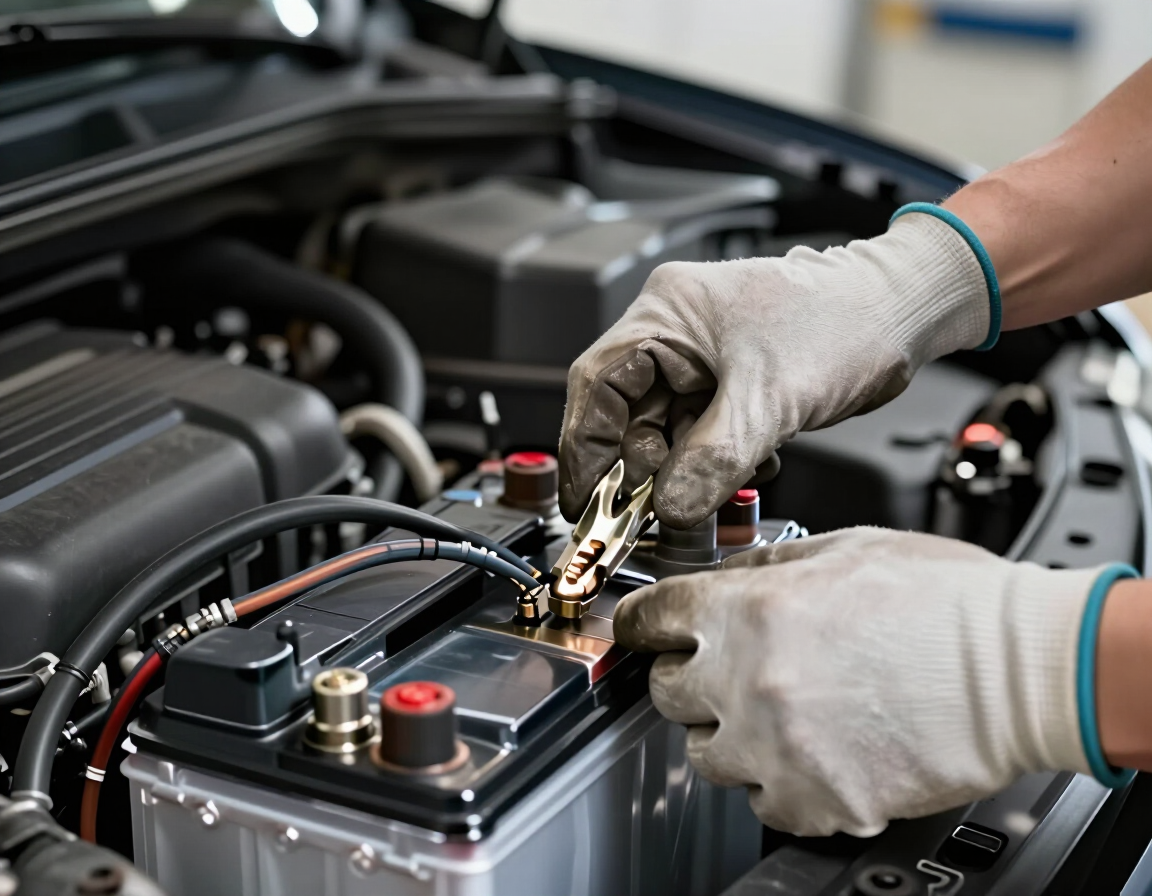
Close-up of a technician checking battery connections

When should you bring the vehicle in?

Arrange an inspection when the vehicle cranks slowly more than once, needs a jump-start, shows repeated electrical glitches, or goes dead after sitting. It is also sensible to have the system checked after a jump-start if you do not know why the battery discharged.

Bring the vehicle in promptly if you notice a burning smell, damaged cables, leaking fluid, a swollen battery case, or smoke. Do not handle a visibly damaged battery yourself. If the vehicle starts but soon stalls, or warning lights remain illuminated, avoid assuming that continued driving will solve the problem.

At Big Z Tire and Wheel, an ASE-certified technician can evaluate the battery and related electrical components rather than making a quick assumption. Visit our Services page to see the types of vehicle care available, or contact us in Rockvale, TN, to discuss an inspection.

Fall battery checklist

Before colder mornings become routine, drivers can make a few practical observations:

  • Notice whether startup sounds slower than normal.
  • Look for corrosion, loose connections, or visible cable damage without touching unsafe components.
  • Turn off lights and accessories before leaving the vehicle.
  • Keep jumper cables available and learn the correct connection points from the owner’s manual.
  • Schedule testing if the battery has gone dead or the vehicle needs repeated boosts.

These steps do not replace a professional test, but they can help you recognize a developing concern before it disrupts a commute.

The bottom line

A car battery can appear fine after summer and still lack the reserve needed for a cold fall start. Slow cranking, dimming lights, clicking, repeated jump-starts, and electrical glitches are useful signals to take seriously without assuming the battery is automatically the cause. Jump-start only when the battery and connections appear safe, and follow the vehicle’s instructions. If the battery keeps dying, have the complete starting and charging system checked. For Rockvale drivers, the practical next step is to schedule battery and electrical testing at Big Z Tire and Wheel before a weak start becomes a missed commute.

Share this article

Recent Posts

Thanksgiving road trip checklist inspection by a Rockvale auto technician
By Samantha Boylls • November 16, 2026
Use this Thanksgiving road trip checklist from an ASE-certified Rockvale technician to check tires, fluids, lights, wipers, warning lamps, and your spare.
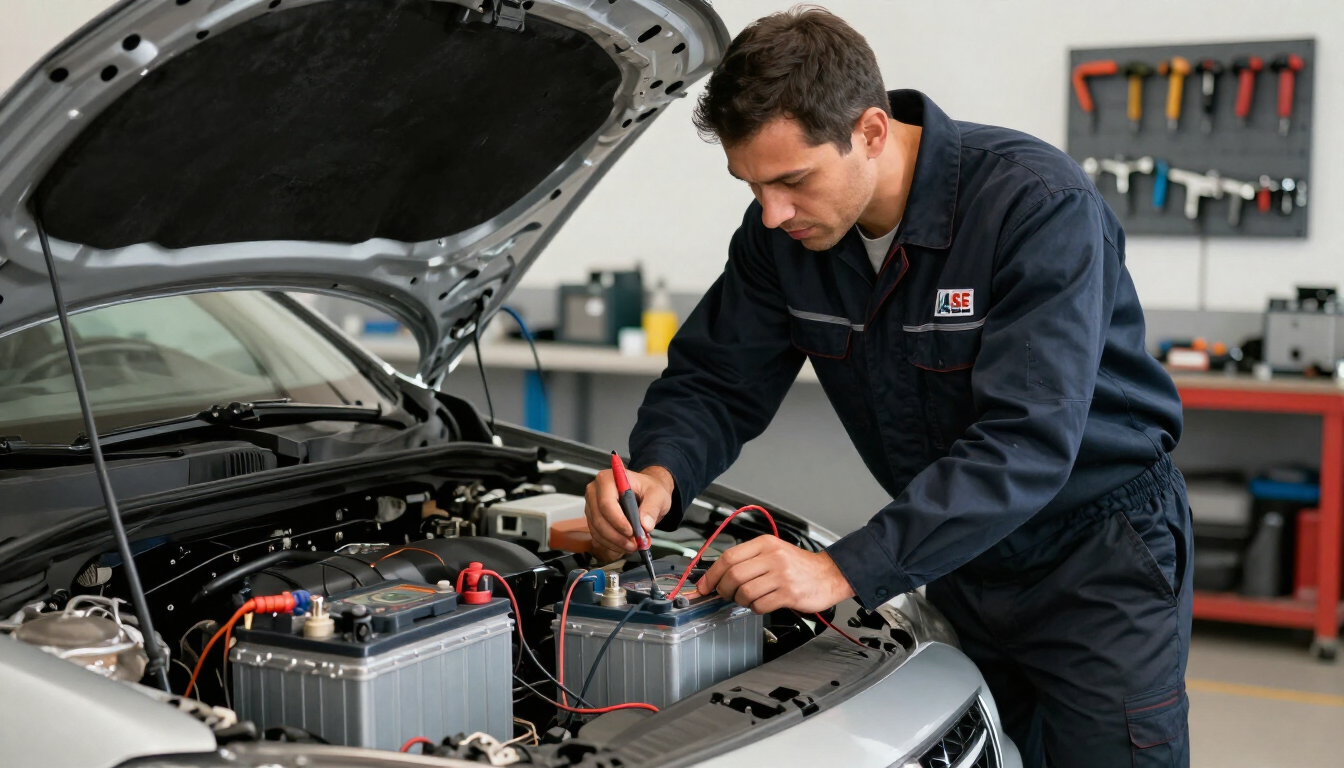
Technician checking a car battery in cold weather
By Samantha Boylls • November 9, 2026
An ASE-certified technician explains six car battery cold weather warning signs, safe jump-starting, and when Rockvale drivers should seek a battery check.
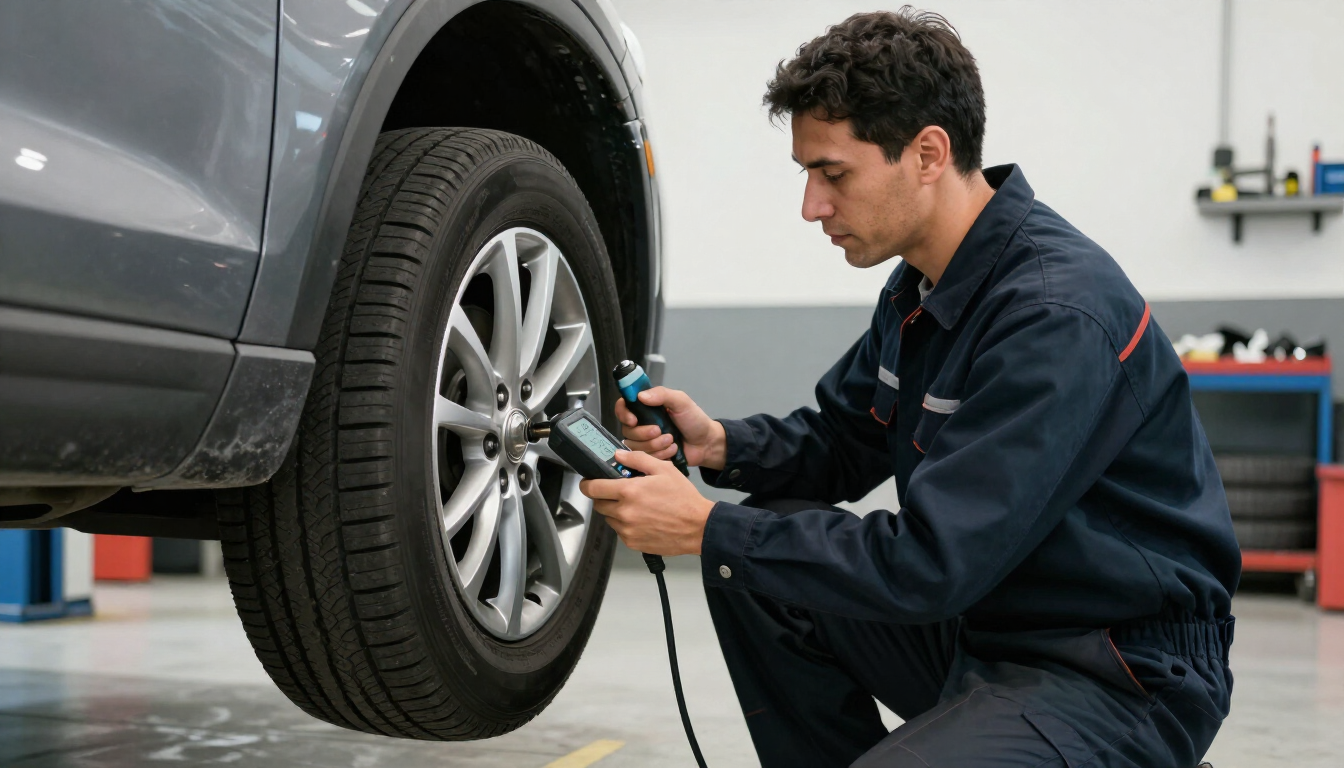
Technician checking tire pressure in a clean bay
By Samantha Boylls • November 2, 2026
Learn why the tire pressure light comes on in cold weather, how to check tires safely, and when Rockvale drivers should visit Big Z Tire and Wheel.
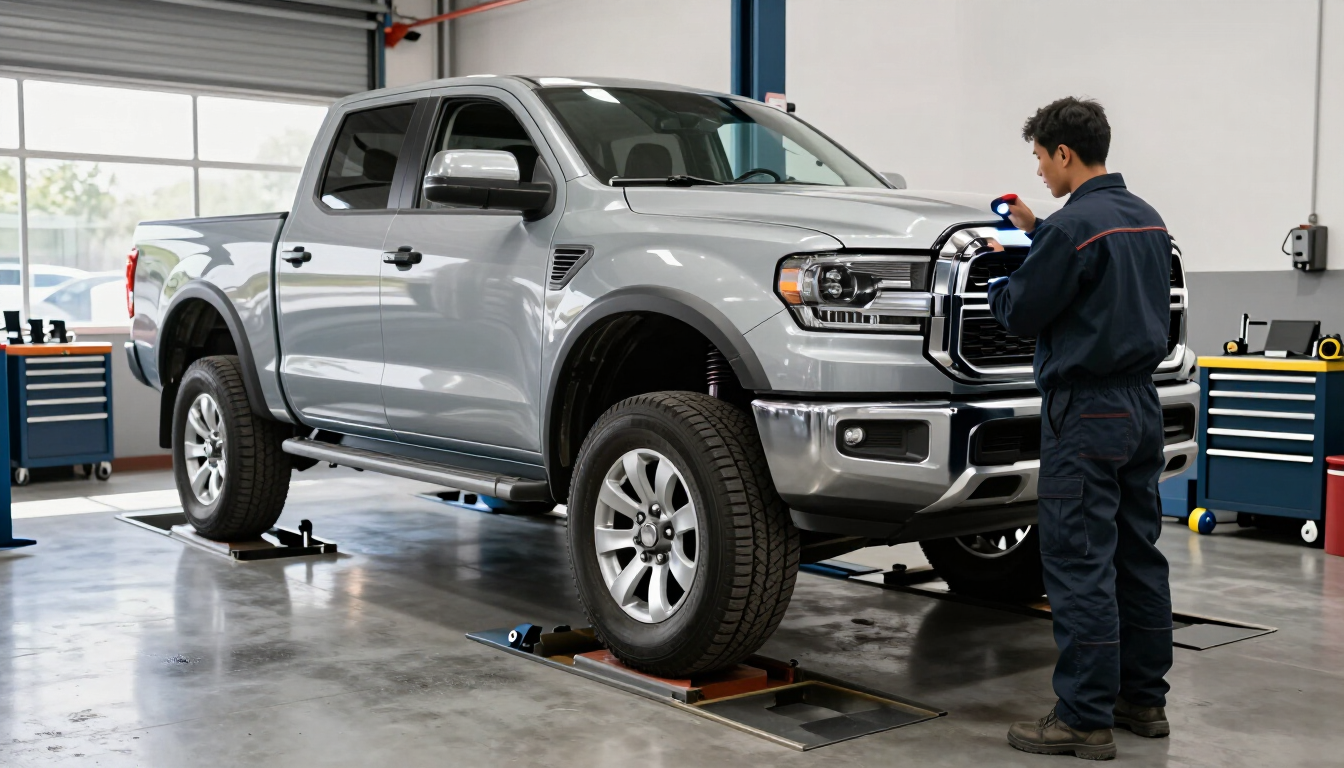
Pickup truck alignment and suspension inspection on a shop alignment rack
October 26, 2026
Learn five signs hauling and gravel roads may have affected your truck alignment and suspension, plus when to stop driving and call Big Z Tire and Wheel in Rockvale.
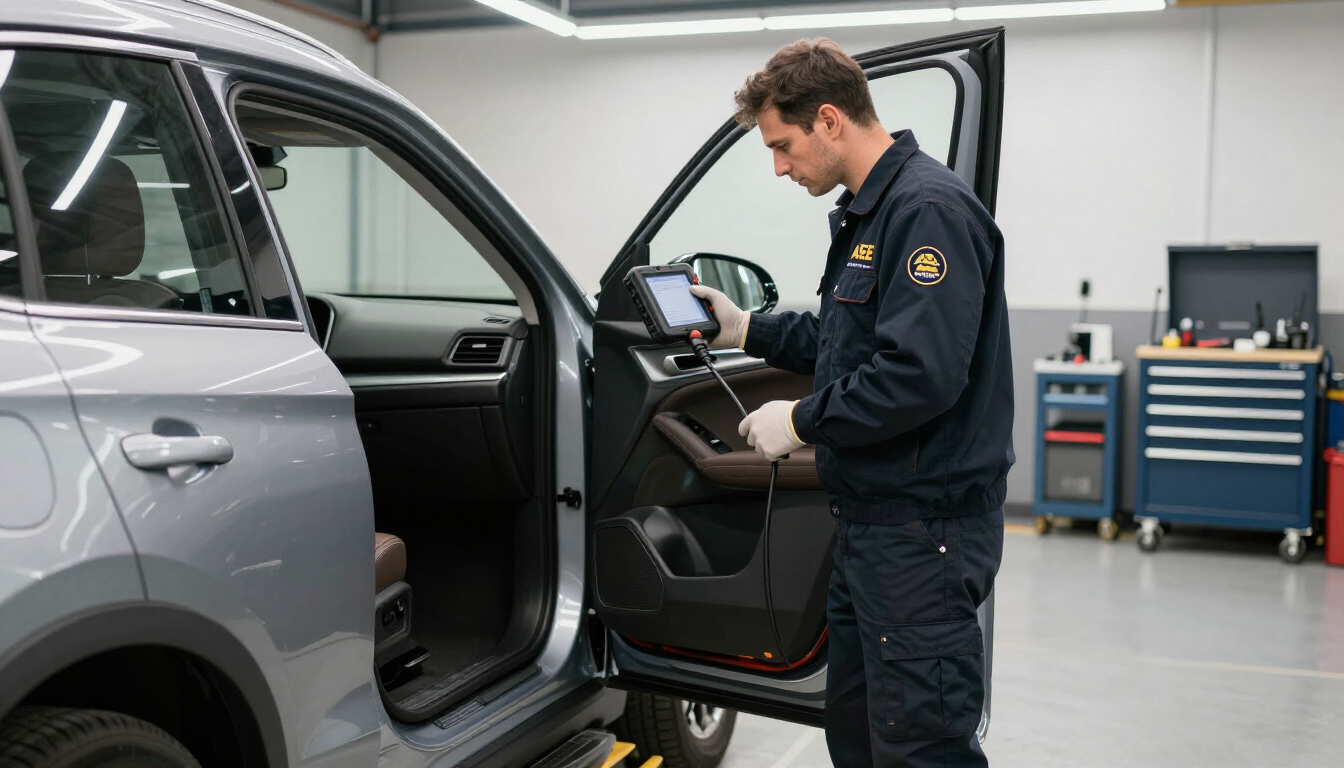
Technician using a scan tool to diagnose a check engine light
October 19, 2026
Learn what a check engine light means, why codes identify conditions instead of failed parts, and when Rockvale drivers should stop driving or seek diagnostics.
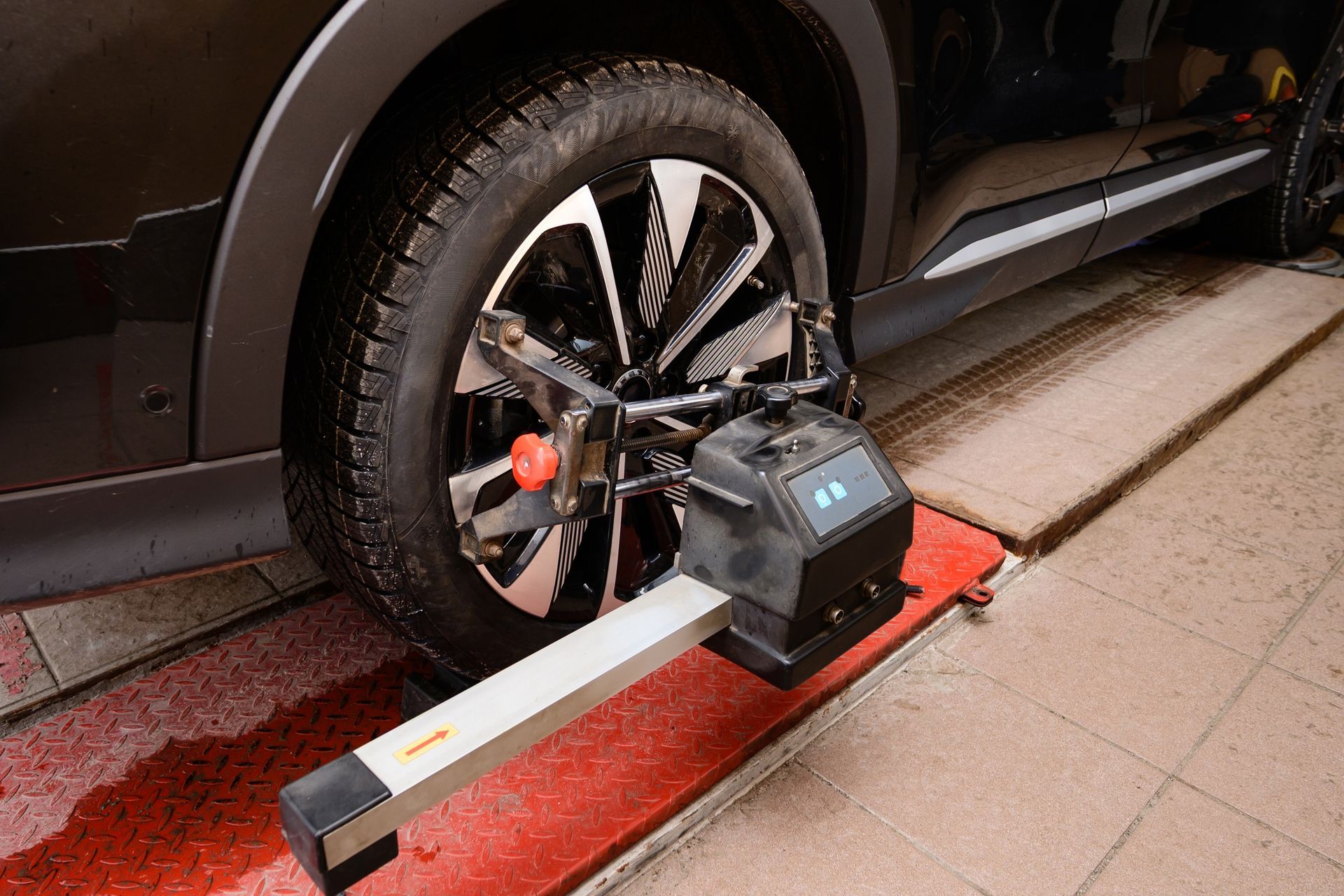
Car wheel aligned on a machine at a tire shop, with a red platform and black equipment visible.
October 6, 2026
An ASE-certified technician’s six fall tire checks for Rockvale drivers, including cold-weather pressure, tread, wear, and the spare.